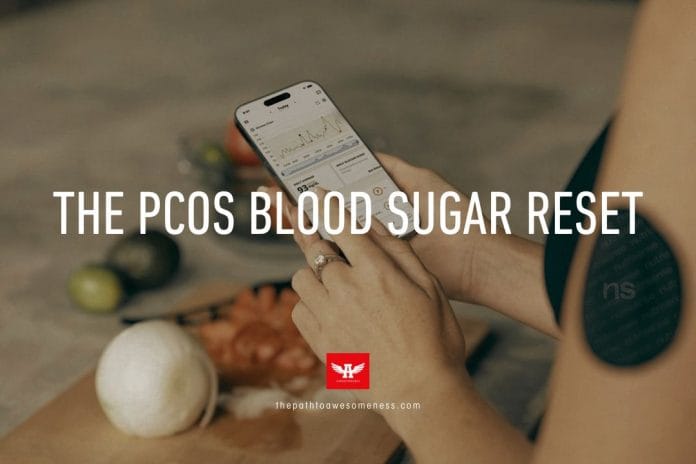
Managing blood sugar is one of the most impactful and empowering steps you can take when living with PCOS. For many, it’s the missing link that not only supports hormone balance but also boosts daily energy, stabilizes mood, and reduces those stubborn cravings.
The good news? You don’t need an extreme diet or rigid rules to make a difference. Small, consistent shifts—like pairing the right foods, moving your body strategically, and tuning into meal timing—can create steady improvements that build over time.
When you nourish your body in a way that keeps blood sugar steady, you’re also giving your hormones the stability they need to function at their best.
Why Blood Sugar Balance Matters for PCOS
One of the most overlooked drivers of PCOS symptoms is unstable blood sugar—and the insulin spikes that often come with it. When your blood sugar rises too quickly, your body releases more insulin to shuttle that glucose into your cells.
But with PCOS, many women experience insulin resistance, meaning their cells don’t respond efficiently. This leads to even higher circulating insulin levels, which can trigger the ovaries to produce more androgens (male hormones like testosterone). Elevated androgens can then worsen hallmark PCOS symptoms such as irregular cycles, acne, and excess hair growth.
Beyond hormone shifts, unstable blood sugar causes energy crashes, carb cravings, and emotional ups and downs that make daily life more challenging. You might feel “hangry” between meals or rely on caffeine and sugar for quick pick-me-ups, only to crash again later.
By learning how to keep glucose levels steady, you’re not only supporting hormone balance but also improving mood stability, skin health, and even fertility potential. Balanced blood sugar is one of the most direct, foundational ways to reduce PCOS symptoms from the inside out.
Building Balanced Meals for Hormonal Harmony
The foundation of PCOS-friendly eating is simple: pair high-quality protein with healthy fats and fiber-rich carbs at every meal. This combination slows down the release of glucose into your bloodstream, reducing insulin spikes and keeping your energy and mood steady.
Here are some PCOS-friendly staples to build your plate:
Proteins: lentils, chickpeas, tofu, tempeh, eggs, lean poultry, salmon, sardines
Healthy fats: extra virgin olive oil, avocado, chia seeds, flaxseeds, walnuts, almond butter
Carbohydrates: sweet potatoes, quinoa, steel-cut oats, brown rice, leafy greens, cruciferous vegetables
Sample meal ideas for all-day balance:
Breakfast: Veggie omelet with spinach, mushrooms, and bell peppers + quinoa toast + avocado slices
Lunch: Salmon & mixed greens bowl with roasted zucchini, olive oil & lemon dressing, and a side of quinoa
Snack: Apple slices with almond butter, topped with chia seeds for extra omega-3s
Dinner: Lentil curry with turmeric and coconut milk, served over quinoa with a side of roasted Brussels sprouts
These balanced meals provide steady fuel for your body, support hormone regulation, and help reduce cravings so you feel more in control of your eating habits.
Smart Timing & Portion Tips to Avoid Spikes
One of the simplest ways to keep blood sugar balanced with PCOS is to eat at consistent times throughout the day. Skipping meals—especially breakfast—can trigger bigger glucose swings later, leading to cravings, fatigue, and mood dips.
Key timing strategies:
Start your day with protein: Breakfast within 1–2 hours of waking helps regulate cortisol and insulin for the rest of the day.
Don’t wait too long between meals: Aim for 3–4 hours between meals, adding a nutrient-rich snack if needed.
Front-load your protein: Having more protein earlier in the day can help reduce evening cravings.
Strategic snack ideas for blood sugar steadiness:
Greek yogurt with berries, chopped nuts, and a sprinkle of cinnamon (supports insulin sensitivity).
Raw veggies (carrot sticks, cucumber slices, bell peppers) with hummus or guacamole.
Boiled eggs with a handful of olives or a few slices of avocado.
Bonus blood sugar tips:
Stay hydrated: Dehydration can mimic hunger and worsen fatigue. Aim for 2–3 liters of water daily.
Limit caffeine spikes: Opt for green tea or matcha instead of multiple cups of coffee, and avoid caffeine on an empty stomach.
By syncing when and how much you eat with your body’s needs, you create a steady fuel supply that supports hormonal balance, mental clarity, and fewer sugar crashes.
Lifestyle Strategies that Support Glucose & Hormone Balance
Blood sugar management for PCOS isn’t just about food—it’s also about how you move, rest, and manage stress. These lifestyle shifts can make a big difference in stabilizing insulin and supporting overall hormone health.
Movement for better glucose control:
Walk after meals: Even 10–15 minutes of light walking can help your muscles use glucose more effectively.
Gentle strength training: Building lean muscle improves insulin sensitivity over time.
Yoga or stretching: Helps reduce cortisol and supports hormonal balance.
Stress management to reduce spikes:
Breathwork: Try slow, deep breathing for 3–5 minutes to calm the nervous system.
Journaling: Release worries and mental clutter to lower stress-driven cravings.
Mindful breaks: Pause for short, screen-free moments throughout the day.
Sleep for stable hormones:
Consistent bedtime: Aim for 7–9 hours of quality rest to regulate appetite and insulin.
Reduce blue light at night: Limit screen use or wear blue-light–blocking glasses before bed.
Create a wind-down routine: Gentle stretching, reading, or herbal tea can help signal your body to rest.
When these lifestyle habits align with balanced eating, they form a powerful foundation for managing PCOS—not just easing symptoms, but supporting your energy, mood, and long-term health.
What Research Shows
Scientific evidence strongly supports the link between blood sugar stabilization and improved hormonal balance in women with PCOS. Stabilizing glucose levels not only improves energy and reduces cravings but also influences testosterone levels, menstrual regularity, and overall symptom relief.
Blood Sugar Stabilization and Testosterone Levels
Insulin Resistance & Androgen Production: Women with PCOS often experience insulin resistance, leading to hyperinsulinemia, which stimulates excess androgen (testosterone) production, worsening symptoms such as acne, hair growth, and irregular cycles (Seli & Duleba, 2004).
Dietary Interventions: A lower-carbohydrate diet can significantly reduce fasting insulin and testosterone levels, improving insulin sensitivity and reducing hyperandrogenism (Gower et al., 2013).
Medications: Insulin-sensitizing agents like metformin not only lower insulin but also reduce androgen levels, improving ovulation and overall hormone balance (Seli & Duleba, 2004).
Weight Loss & Hormone Improvement: Lifestyle-driven weight reduction can lower testosterone and improve quality of life for women with PCOS (Dokras et al., 2016).
While lowering testosterone often helps, overly aggressive diet or medication strategies may cause side effects—highlighting the importance of personalized approaches.
High-Fiber Diets & Healthy Fats for Metabolic & Hormonal Health
Improved Insulin Sensitivity: High-fiber diets can lower insulin requirements and stabilize blood glucose (Vuksan et al., 1997).
Gut Microbiota Support: Fiber fosters beneficial gut bacteria that reduce inflammation and improve metabolism (Lin, 2024; microclimate, 2022).
Weight & Lipid Balance: Increased fiber aids in controlling weight and improving lipid profiles (Galisteo et al., 2008).
Healthy Fats for Hormone Support: Monounsaturated and polyunsaturated fats (olive oil, nuts, avocado) support cardiovascular and metabolic health (Castro-Barquero et al., 2020).
Synergistic Benefits: Combining fiber + healthy fats enhances satiety, reduces overeating, and improves metabolic markers (Vuksan et al., 1997).
While powerful, results vary based on genetics, gut health, and lifestyle—personalized nutrition remains key.
Low-Glycemic Index Meals & Menstrual Cycle Regulation
Insulin Sensitivity Boost: Low-GI diets promote stable glucose levels, improving insulin sensitivity in PCOS (Barr et al., 2010). Improved insulin sensitivity is associated with better ovulatory function and regular menstrual cycles (Johnson et al., 2025).
Hormonal Regulation: Low-GI eating can reduce androgens, improving menstrual regularity and reducing symptoms like acne and hair growth (Le & Haubrick, 2021; Shang et al., 2021).
Weight Management & Ovulation: Even modest weight loss from low-GI eating can restore ovulation and cycle regularity (Le & Haubrick, 2021).
Systematic Review Evidence: Dietary changes, particularly low-GI approaches, improve reproductive outcomes including cycle regularity (Shang et al., 2021).
While most women benefit, some experience only partial improvement—reinforcing that diet should be part of a holistic PCOS management plan.
Tips for Building Sustainable Habits
Creating long-term change for blood sugar balance and PCOS isn’t about perfection—it’s about consistent, manageable steps that fit your life.
Start Small: Choose one or two changes at a time, such as swapping white rice for quinoa, adding a protein source to breakfast, or gradually reducing sugary drinks.
Make It Enjoyable: Prioritize flavor and presentation—colorful veggies, fresh herbs, and appealing plating make healthy meals more satisfying.
Plan Ahead:
Batch cook staples like roasted vegetables, quinoa, or lentils for quick meal assembly.
Prep balanced snack kits with protein, healthy fats, and fiber to grab on busy days.
Stay mindful of timing—aim for consistent meals and snacks to avoid big blood sugar swings.
Sustainable change comes from small shifts you enjoy and can repeat—turning healthy choices into an easy part of your daily rhythm.
FAQs
How do I stabilize blood sugar naturally with PCOS?
You can stabilize blood sugar naturally by pairing protein, healthy fats, and fiber at every meal, choosing low-glycemic index carbs, eating at consistent times, staying active—especially with light movement after meals—and managing stress through techniques like breathwork or yoga.
What foods help control insulin spikes in PCOS?
PCOS-friendly foods that help control insulin spikes include leafy greens, sweet potatoes, quinoa, berries, legumes, nuts, seeds, lean fish, and healthy fats like avocado and olive oil. Avoid refined sugars and white flour products, which can cause quick glucose surges.
Can managing my blood sugar improve PCOS symptoms like acne or irregular periods?
Yes. Stable blood sugar reduces excess insulin, which can lower androgen levels (testosterone). This hormonal shift often improves acne, supports more regular ovulation, and may help regulate periods.
When should I eat if I have PCOS and blood sugar issues?
Aim to eat every 3–4 hours, starting with a balanced breakfast. Avoid skipping meals, which can cause large glucose fluctuations and trigger cravings or fatigue.
Do snacks help regulate blood sugar or are they counterproductive?
Snacks can help if they’re balanced—combine protein, healthy fat, and fiber (e.g., apple slices with almond butter, Greek yogurt with berries). Avoid high-sugar snacks, which can cause spikes and crashes.
Further Reading & Support
Holistic Guide:
How to Heal PCOS Naturally: Your Complete Guide to Feeling Better, Body and Mind – A comprehensive roadmap covering nutrition, movement, mindset, and lifestyle tools for reducing PCOS symptoms and improving overall well-being.
Related Supporting Posts:
Nutrition & PCOS: Anti-Inflammatory Diets That Really Work – Learn how anti-inflammatory eating reduces symptoms and supports hormonal balance.
Mindset Shifts for PCOS: Rewriting Your Inner Narrative for Better Health – Explore how thought patterns impact healing and how to create a more supportive mindset.
Book Recommendations:
Women, Food, and Hormones by Dr. Sara Gottfried – A guide to balancing hormones naturally through food, with specific strategies for insulin resistance and PCOS.
The Glucose Goddess Method by Jessie Inchauspé – Practical hacks for flattening glucose curves without cutting out the foods you love.
Balancing blood sugar isn’t about restrictive dieting—it’s about nourishing your body with foods and habits that work with your hormones, not against them.
Start simple: add protein to your breakfast, choose high-fiber carbs, or take a short walk after dinner.
Which blood sugar habit will you try this week—and how do you think it will support your PCOS healing?


