Lemon balm, also known by its botanical name Melissa officinalis, is a gentle herb from the mint family. If you’ve ever brushed against it in a garden, you know the soothing lemony scent that gives it its name. But beyond its refreshing aroma, this little plant has a long history of being a calm and steady ally for both the body and the mind.
Traditionally, lemon balm has been used in teas, tinctures, and even recipes to support digestion, ease anxious tension, and promote restful sleep. Herbalists have also turned to it for its mild calming effects on the nervous system, making it a favorite for those dealing with symptoms like nervousness, irritability, or upset stomach.
In more recent years, lemon balm has gained attention for its potential support in thyroid conditions, particularly hyperthyroidism. Thanks to its naturally calming nature and subtle ability to ease overstimulation, it’s often recommended as part of a gentle, holistic approach to thyroid balance.
Want to learn how lemon balm fits into a complete thyroid healing strategy? Check out our holistic guide: How to Heal Hyperthyroidism Naturally —where we explore the emotional, energetic, and physical tools for thyroid support.
How Lemon Balm Helps with Hyperthyroidism
When your thyroid is in overdrive, everything can feel too fast—your heartbeat, your thoughts, even your sleep patterns. That’s where lemon balm comes in. This herb has a calming touch that meets hyperthyroid symptoms exactly where they are: too much, too fast, and too tense.
One of its most recognized gifts is its ability to calm the nervous system. Lemon balm can help ease racing heartbeats, soothe restlessness or anxious energy, and promote deeper, more restorative sleep—all of which are common challenges for those living with hyperthyroidism.
Beyond relaxation, lemon balm also appears to have a mild antithyroid effect. While it doesn’t suppress the thyroid the way medications do, research suggests it may help gently down-regulate excess thyroid hormone activity. This makes it especially useful for people seeking subtle herbal support without the intensity of pharmaceutical interventions.
Energetically, lemon balm works on a deeper level too. Its soft, nurturing nature encourages throat chakra balance—which is the energy center often linked to hyperthyroidism. If you’ve felt like your voice has been stifled or your truth held back, lemon balm can be a botanical ally in softening resistance and making space for emotional expression.
It’s not just an herb—it’s a signal to your system that it’s safe to slow down, speak gently, and be at ease.
Evidence & Research Highlights
Lemon balm isn’t just a calming tea—it’s a herb with growing scientific support behind its role in thyroid care. Research has shown that this gentle plant can offer more than emotional relief. It actually interacts with some of the biological mechanisms driving hyperthyroidism.
Modulating Thyroid Hormones
In a recent 2024 animal study, lemon balm was shown to reverse the effects of induced hyperthyroidism by lowering levels of thyroid hormones T3 and T4, while increasing TSH, the regulating hormone. This suggests lemon balm helps normalize thyroid activity when it’s running too fast (Kawara et al., 2024).
One of the key reasons? Its ability to inhibit thyroid-stimulating antibodies—the kind that are active in autoimmune conditions like Graves’ disease (Bokelmann, 2022). That makes it especially promising for calming overactivity without entirely shutting down the gland.
Antioxidant & Anti-inflammatory Power
Beyond hormone balance, lemon balm is a natural antioxidant powerhouse. It helps combat oxidative stress, which tends to spike during thyroid flares. Compounds like rosmarinic acid reduce nitric oxide (NO), a marker of inflammation, and increase catalase (CAT), an enzyme that protects cells from damage (Kawara et al., 2024). These effects support overall thyroid tissue health and reduce internal heat or inflammation—a common experience in hyperthyroid states.
Why It’s Often Paired with Bugleweed
Lemon balm is frequently used alongside bugleweed, another antithyroid herb. While bugleweed has a stronger effect on slowing hormone production, lemon balm adds soothing, calming, and antioxidative qualities—making them a perfect tag team for people who need both balance and stress relief.
This combination is especially helpful when palpitations, restlessness, or sleep issues persist even with other treatments. Herbalists often recommend them together for people who want to regulate their thyroid activity more gently and holistically (Yarnell & Abascal, 2006).
Expert Perspectives
According to integrative practitioners, lemon balm is ideal for people who are sensitive to medications, want to ease emotional reactivity, or are beginning their journey into natural thyroid support. It’s often suggested for individuals who feel wired but tired, anxious, or overwhelmed—especially when those symptoms are linked to a racing metabolism.
While more large-scale clinical trials are needed to confirm its long-term effectiveness, lemon balm is a promising plant for those looking to bring calm and balance to a hyperactive thyroid system.
How to Use Lemon Balm Safely
When used with intention, lemon balm can be a gentle yet powerful part of your thyroid-healing toolkit. But like any herb, how you use it—and how your body responds—matters. Here’s what you need to know to make the most of it, safely.
Forms and Their Pros/Cons
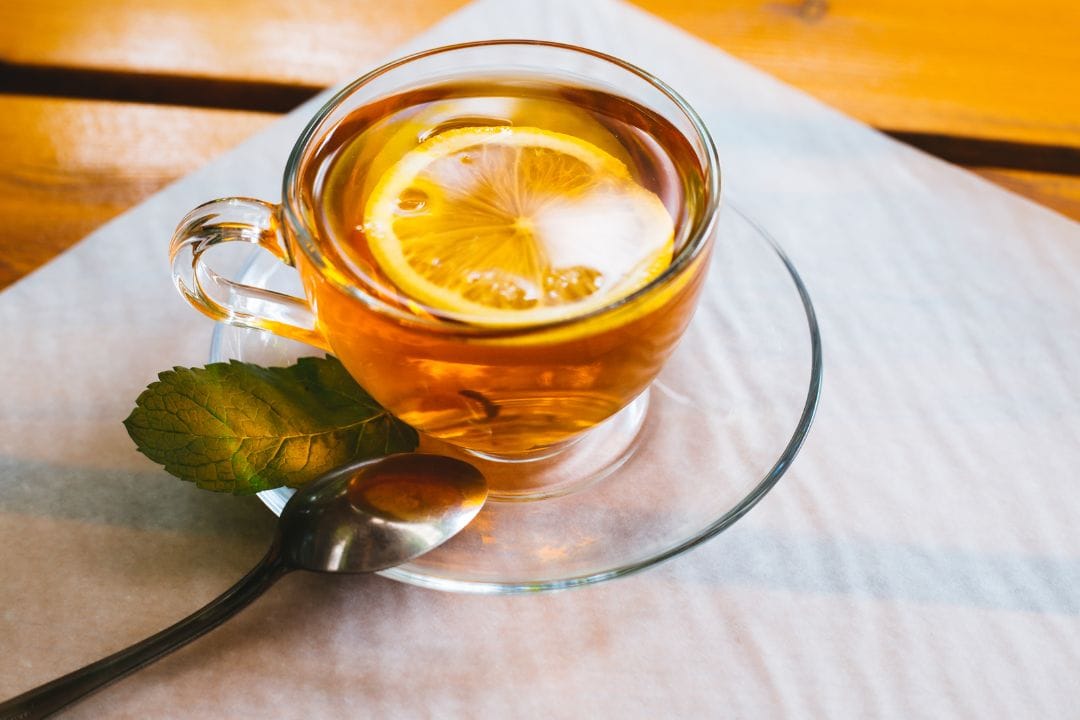
- Tea – This is the most common and soothing form. It’s hydrating, comforting, and ideal for evening wind-down routines. Great if you love ritual and gentle infusions.
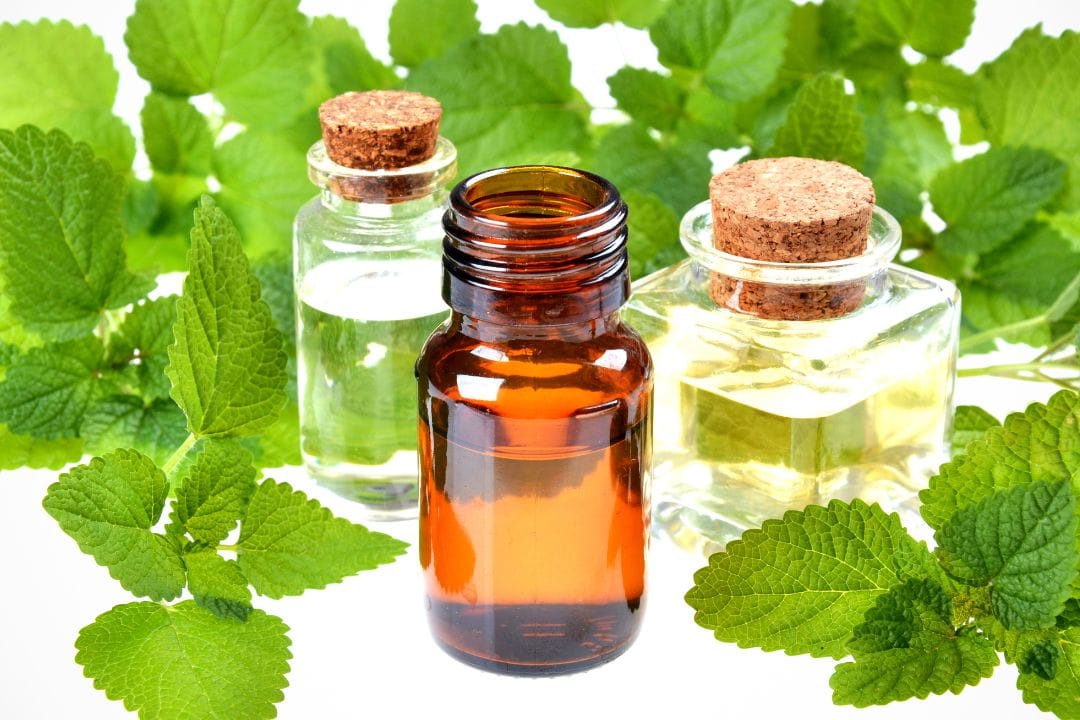
- Tincture – A liquid herbal extract, often alcohol-based. Tinctures are stronger and faster-acting, especially helpful during flares or moments of anxiety.
- Capsules – These are the most convenient option if you’re on the go or not a fan of herbal taste. Standardized extracts make it easier to control the dosage.
Dosage Guidelines
Here’s a general idea of what typical use looks like, but always listen to your body—and your practitioner.
Tea: 2–3 cups daily. Steep 1 teaspoon of dried lemon balm per cup in hot water for 10 minutes.
Tincture: 1–2 ml, two to three times a day. Start low and observe how your body responds.
Capsules: 300–600 mg per day of standardized extract. Follow label instructions or your provider’s guidance.
These doses are typically well-tolerated, especially when spread throughout the day for consistent support.
Safety & Cautions
Lemon balm is generally considered safe and non-toxic, even with long-term use.
Some people may feel a little too relaxed or drowsy, especially at higher doses—so don’t mix it with other sedatives or anti-anxiety medications unless advised by your healthcare provider.
If you’re taking thyroid medication (like methimazole or levothyroxine), consult your doctor or herbalist. Lemon balm can interact with thyroid hormone regulation, which is great in some cases but needs careful monitoring.
Pregnant or breastfeeding? While lemon balm is used in traditional medicine for pregnancy-related nausea, most experts advise avoiding concentrated forms during early pregnancy unless you’re working with a qualified professional.
As with all herbal allies, balance and consistency are key—and so is staying in tune with how your body responds over time.
Integrating Lemon Balm into a Holistic Self-Care Routine
Lemon balm’s real power unfolds when it’s not just taken—but experienced. Beyond supplements and sips, it can become a steady presence in your healing rituals, supporting body, mind, and spirit in gentle, grounded ways.
Physical Care
Start by weaving lemon balm into your evening routine. Drinking a warm cup of tea before bed can signal to your nervous system that it’s safe to slow down, rest, and restore. If you’re prone to hyperthyroid-related insomnia or nighttime anxiety, this simple habit can make a world of difference.
Try pairing it with a wind-down ritual like stretching, soft music, or a warm bath—anything that tells your body, “You’re safe. You can rest now.”
Emotional Support
Lemon balm also plays beautifully with emotional practices. Try sipping your tea or taking your tincture before an EFT tapping session or emotional journaling. It helps take the edge off anxious energy so you can tune in more deeply to what your body’s trying to say.
Feeling overwhelmed? This is the moment to meet yourself with compassion—lemon balm is your gentle companion in that process.
FAQs
Can lemon balm replace my thyroid medication?
Lemon balm may help reduce symptoms and gently support thyroid balance, but it should not be used as a direct replacement for prescribed medication without professional supervision. Always work with a holistic practitioner or integrative doctor if you’re considering changes to your treatment plan.
How soon might I notice effects?
Many people feel calmer and more rested within a few days of consistent use—especially when using it for nervous system support. For thyroid-specific changes (like hormone balance), it may take several weeks of regular use alongside lifestyle and dietary adjustments.
Can I mix lemon balm with other thyroid-support supplements or herbs?
Yes, it’s often paired with calming or balancing herbs like bugleweed, passionflower, or magnesium. Just be mindful of overlapping effects, especially if you’re also taking medication. Start low and go slow, and check in with a practitioner if you’re layering several new tools at once.
Can kids or teens take lemon balm?
In most cases, yes—but in smaller, age-appropriate doses. Tea is a great starting point for children or teens experiencing anxiety, sleep issues, or restlessness. That said, always consult a pediatric provider or herbalist before using concentrated forms like tinctures or capsules.
[Read the full guide: How to Heal Hyperthyroidism Naturally]
Have you tried lemon balm in your healing journey? Did this article help clarify how it fits into natural thyroid support?
Your experience might be exactly what someone else needs to read today. Let’s keep the conversation going—and keep healing, together.


