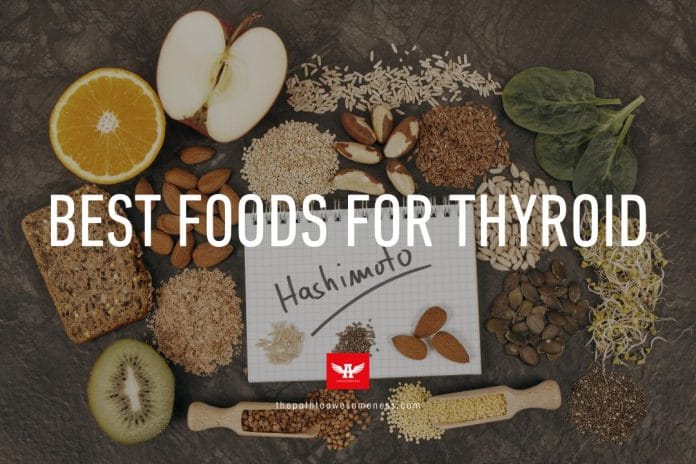
Your thyroid might be small, but it plays a mighty role in keeping your body running smoothly. This little butterfly-shaped gland is responsible for regulating your metabolism, energy levels, mood, and even how easily you gain or lose weight. When it’s not getting the right nutrients, your thyroid can slow down, leaving you feeling sluggish, foggy, or just not quite yourself.
That’s where food comes in—not as a cure-all, but as a powerful partner in healing. The way you nourish your body each day can either support your thyroid or make it work harder than it needs to.
The good news? Eating for thyroid health doesn’t have to mean strict rules or giving up everything you love. Instead, it’s about making gentle, supportive choices that fuel your energy, balance your hormones, and help you feel more like you again.
Thyroid-Supportive Nutrients & Foods to Include
The impact of nutrition on thyroid health is bigger than most people realize. Certain vitamins and minerals are literally the building blocks your thyroid needs to make hormones and keep your metabolism humming. When your body doesn’t get enough of these nutrients, symptoms of hypothyroidism can worsen.
On the other hand, having the right balance can support hormone production, improve energy, and help you feel more like yourself again.
Let’s break it down into key nutrients and where you can find them.
Iodine (with caution)
Iodine is essential for making thyroid hormones—it’s the raw material your body uses to produce thyroxine (T4) and triiodothyronine (T3) (Mezzomo & Nadal, 2016). But here’s the catch: both too little and too much iodine can throw your thyroid off balance, sometimes even triggering or worsening hypothyroidism (Mezzomo & Nadal, 2016).
Best sources: seaweed (like nori or kelp—keep it moderate), iodized salt, and fish.
Tip: If you already get iodine from iodized salt, be careful not to overdo it with supplements or seaweed snacks.
Selenium
Selenium is like your thyroid’s “helper mineral.” It acts as a cofactor for enzymes called deiodinases, which convert the less active T4 hormone into the more active T3 (Nóbrega, 2019). Research also shows selenium supplementation can improve thyroid function and even reduce autoimmune responses in people with hypothyroidism (Chodkowski, 2024).
Foods to try: Brazil nuts (just 1–2 a day is plenty), sunflower seeds, fish, and mushrooms.
Zinc
Zinc is another quiet hero for thyroid health. It’s involved in the conversion of T4 to T3 and also helps thyroid hormone receptors work properly (Nóbrega, 2019). Without enough zinc, thyroid hormone production and metabolism can slow down (Chodkowski, 2024).
Best sources: pumpkin seeds, chickpeas, lentils, and grass-fed beef.
Iron
Iron is vital for thyroid hormone synthesis and low levels can be a hidden cause of sluggish thyroid function. Many people with hypothyroidism also experience iron deficiency, making it extra important to keep an eye on.
Foods to include: spinach, beans, red meat, and fortified cereals.
Pro tip: Pair iron-rich foods with vitamin C (like citrus fruits or bell peppers) to boost absorption.
Vitamin D
Vitamin D plays a huge role in immune regulation, which is especially important if your hypothyroidism is linked to autoimmunity. Low vitamin D levels are often tied to fatigue, and supplementation has shown potential benefits in improving both quality of life and metabolic features in hypothyroid patients (Chodkowski, 2024; Nikkhah et al., 2024).
Sources: sunshine (your best free source), fatty fish, egg yolks, and mushrooms.
Vitamin B12
A lot of people with hypothyroidism also struggle with low B12, which can add to symptoms like fatigue, weakness, and brain fog. B12 supports energy production and nervous system health.
Foods to enjoy: eggs, dairy, fish, and nutritional yeast (a great plant-based option).
Protein & Healthy Fats
Beyond micronutrients, your thyroid loves a steady supply of protein and healthy fats. These stabilize blood sugar, support metabolism, and provide sustained energy—something hypothyroid bodies often crave.
Good choices: lean meats, legumes, nuts, avocado, olive oil, and fatty fish.
A gentle reminder: While these nutrients are vital, more isn’t always better. Over-supplementing (especially iodine and selenium) can backfire. The safest approach is to build a nutrient-rich diet first, and work with your healthcare provider if you’re considering supplements.
Foods to Moderate or Avoid
Just like there are foods that give your thyroid a helping hand, there are also some that can make things harder if eaten in excess. The key word here is moderation. You don’t need to cut these foods out completely (unless your doctor advises otherwise), but being mindful of how often and how much you consume them can go a long way in supporting your thyroid.
Goitrogens (when eaten raw, in excess)
Goitrogens are naturally occurring compounds in certain vegetables that can interfere with your thyroid’s ability to use iodine. That might sound scary, but don’t worry—you don’t need to ban broccoli from your plate. The concern mainly comes from eating these veggies raw and in very large amounts. Cooking them reduces their goitrogenic activity, so you can still enjoy them as part of a balanced diet.
Examples: broccoli, kale, cabbage, cauliflower, Brussels sprouts.
Tip: steam, sauté, or roast them to keep the thyroid impact minimal while still reaping all their other health benefits.
Processed Sugar & Refined Carbs
Processed sugars and refined carbs can fuel inflammation and spike your blood sugar, leading to energy crashes, fatigue, and mood swings—symptoms that already overlap with hypothyroidism. Cutting back on sweets, white bread, and pastries while choosing whole grains and natural sweeteners in moderation helps keep your energy more stable.
Excessive Iodine
We know iodine is important, but too much of it can actually backfire and either overstimulate or suppress thyroid function (Mezzomo & Nadal, 2016). It’s one of those nutrients where balance is everything.
Watch out for: overdoing seaweed snacks, supplements, or excessive use of iodized salt.
Soy (in large amounts)
Soy can sometimes interfere with the absorption of thyroid medication and affect hormone conversion if consumed in high quantities. That doesn’t mean you have to give up your favorite tofu stir-fry. Occasional servings of soy products—especially when cooked—are usually well tolerated for most people.
Examples: tofu, soy milk, edamame, soy protein powders.
Alcohol & Highly Processed Foods
Both alcohol and ultra-processed foods can put extra stress on your liver and gut, two areas that play vital roles in hormone balance and nutrient absorption. Too much of either can contribute to inflammation and slow down your body’s natural healing. If you choose to drink, keep it minimal, and when it comes to packaged foods, try to stick with options that are as close to their natural state as possible.
Think of this list not as “foods to fear” but as gentle reminders to keep your thyroid in mind when making daily food choices. Small swaps—like roasting your broccoli, swapping soda for herbal tea, or saving alcohol for special occasions—can add up to big support for your thyroid over time.
The Role of Gut Health & Probiotics
Your gut and thyroid are more connected than you might think. The gut is where all the nutrient absorption happens—so even if you’re eating the most thyroid-friendly diet in the world, it won’t do much good if your gut isn’t able to properly absorb those nutrients. An unhealthy gut can mean fewer vitamins and minerals actually make it to your thyroid, leaving it undernourished and you feeling drained.
One way to support this vital connection is by including probiotic-rich foods that help maintain a healthy balance of good bacteria in your digestive system. A thriving gut microbiome doesn’t just aid digestion—it also improves immunity and reduces inflammation, both of which matter a lot for thyroid health.
Probiotic-rich foods: yogurt, kefir, sauerkraut, kimchi, miso.
Prebiotic foods: garlic, onions, asparagus, bananas (these act like “fertilizer” for the good bacteria, helping them grow strong).
Adding even small servings of these foods daily—like a spoonful of sauerkraut on your lunch, or a banana with breakfast—can make a real difference over time.
Putting It All Together (Practical Tips)
So how do you bring all of this into your everyday meals? The good news is, thyroid-supportive eating doesn’t have to be complicated—or boring. Here are a few simple, delicious ideas:
Breakfast: A smoothie with spinach, berries, chia seeds, and a splash of almond milk for a nutrient-dense start.
Lunch: Quinoa salad tossed with pumpkin seeds, chickpeas, cucumbers, and olive oil dressing.
Dinner: Baked salmon with a side of roasted sweet potatoes and broccoli.
Snacks: A handful of walnuts, apple slices with almond butter, or probiotic-rich yogurt.
Aim for balanced meals that combine protein, fiber, and healthy fats. This helps you avoid energy crashes and keeps your metabolism humming along.
And one last gentle reminder: while food is powerful, supplements aren’t a one-size-fits-all solution. Always check in with your doctor or healthcare provider before adding new supplements, especially if you’re already taking thyroid medication.
Think of this as building a plate that loves your thyroid back—nourishing, steady, and sustainable.
FAQs
Can certain foods really help my thyroid?
Yes! Nutrient-rich foods like seafood, Brazil nuts, pumpkin seeds, leafy greens, and probiotic foods can give your thyroid the vitamins and minerals it needs to make hormones and keep your metabolism balanced.
What foods should I avoid for thyroid health?
Try to limit highly processed foods, added sugars, and excess alcohol. If you have thyroid issues, go easy on raw cruciferous veggies like broccoli or cabbage and soy products, since they may interfere with hormone production in large amounts.
Is coffee bad for the thyroid?
Coffee itself isn’t bad for your thyroid, but timing matters. Drinking coffee too close to taking thyroid medication can affect absorption. It’s best to wait at least 30–60 minutes after your medicine before having your cup.
Do I need to cut out gluten for thyroid health?
Not everyone needs to go gluten-free. But if you have Hashimoto’s thyroiditis or celiac disease, avoiding gluten may help reduce inflammation and support better thyroid function.
Can I take supplements instead of eating thyroid-friendly foods?
Food is always the best source of nutrients. Supplements can help if you’re deficient, but they should be taken carefully. Always check with your doctor before starting supplements, especially if you’re on thyroid medication.
[Read the holistic guide: How to Heal Hypothyroidism Naturally]
Taking care of your thyroid through food doesn’t have to feel overwhelming. You don’t need a total overhaul overnight—start with small, doable swaps like adding a handful of pumpkin seeds to your salad or choosing a colorful plate of roasted veggies. Each choice adds up and makes a difference.
Remember, food isn’t just fuel—it’s a daily opportunity to nourish your thyroid, your body, and even your soul. Think of every meal as an act of self-care, a way of supporting your energy, mood, and overall well-being.
Your path to thyroid health starts with the choices you make today. Try one new thyroid-friendly food this week and notice how your body responds.
Which of these tips feels easiest for you to start with? Share your thoughts, experiences, or questions in the comments below—your story might inspire someone else on their journey, too. Let’s keep the conversation going.


