
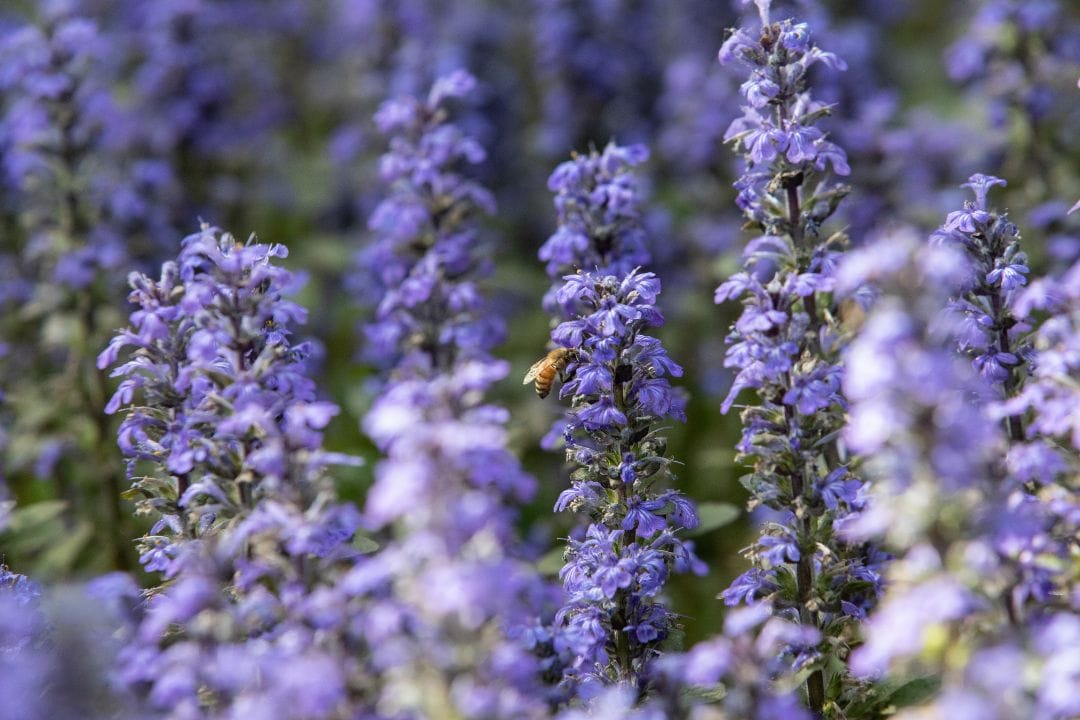
Bugleweed may sound like a plant you’d stumble upon in a fairy tale, but it’s very real—and very powerful. Its botanical name is Lycopus europaeus, and it belongs to the mint family, though it doesn’t have that strong minty flavor. You might also hear it called gypsywort, water horehound, or simply Lycopus in herbal circles. It grows in damp areas across Europe and North America and has small purple-tinged flowers and dark green leaves.
For centuries, bugleweed has been used in traditional herbal medicine—especially in European and Native American traditions. Herbalists originally used it to ease bleeding, calm coughs, and regulate menstrual cycles. But over time, it became particularly valued for its calming effects on the nervous system and metabolism.
In more recent years, bugleweed has gained attention as a natural support for thyroid health, especially in people with an overactive thyroid (hyperthyroidism). It’s known as a “thyroid modulator,” meaning it helps regulate the thyroid’s activity rather than just boosting or blocking it.
Today, it’s often used by those looking for a gentle, plant-based alternative or complement to prescription antithyroid medications. It’s not a miracle cure, but for many people, it can help tone down the overactivity in the thyroid, calm the heart, and ease restlessness—without the harsh side effects of some conventional drugs.
Want to see how bugleweed fits into a complete thyroid-healing plan? Check out our Holistic Guide to Healing Hyperthyroidism Naturally.
How Bugleweed Helps with Hyperthyroidism
Bugleweed is one of those rare herbs that seem to “know” exactly what your body needs—especially when your thyroid is working a little too hard. If you’ve been living with hyperthyroidism, you know how exhausting it can be to feel like your body is constantly in high gear: fast heart rate, anxious thoughts, racing metabolism. Bugleweed helps bring things back down to a more peaceful rhythm.
How It Works in the Body
Bugleweed supports the thyroid in a few key ways. First, it helps slow down the production of thyroid hormones. That means your thyroid doesn’t keep pumping out hormones that speed up your body unnecessarily. It does this by blocking certain enzymes the body uses to create those hormones.
Second, bugleweed has been shown to interfere with signals from the brain that tell your thyroid to “go, go, go.” Specifically, it may reduce the activity of the thyroid-stimulating hormone (TSH) receptor, which is kind of like turning down the volume on a loudspeaker telling your thyroid to work overtime.
And third, for people with Graves’ disease—an autoimmune condition that causes hyperthyroidism—bugleweed may offer even more support. Some research shows it could block the antibodies that trigger the thyroid to stay overactive in Graves’, giving it a potentially more targeted benefit than other herbs.
One of the key natural compounds in bugleweed is rosmarinic acid, a powerful antioxidant also found in herbs like lemon balm and rosemary. It plays a role in reducing inflammation and balancing the immune system, which is especially helpful when the thyroid is under autoimmune attack.
The Energy Connection: Throat Chakra Healing
Energetically, bugleweed’s effects go beyond the physical. In holistic healing, the throat chakra—the energy center located at your throat—is linked to communication, self-expression, and truth. When your thyroid is overactive, it’s often a sign that this energy center is out of balance.
Bugleweed offers a calming, grounding energy that supports the process of slowing down and listening inward. It’s not just about reducing hormones—it’s about helping you soften into your truth. Pairing bugleweed with practices like breathwork, meditation, or journaling can amplify its effects on both the body and the subtle energy systems.
What the Research Says
While we still need more large-scale clinical trials, there’s some exciting research already out there:
Eleven studies have shown that bugleweed and similar plant extracts can reduce thyroid hormone production by blocking enzymes, TSH receptor binding, and even slowing the body’s conversion of thyroid hormones in the tissues (Auf’mkolk et al., 1984–1985; Paunkov et al., 2019).
Animal studies have confirmed that bugleweed can lower TSH and thyroid hormone levels, supporting the idea that it works both in the thyroid and the brain’s command center (Winterhoff et al., 1983; Sourgens et al., 1982).
Some small clinical trials and case reports have shown real-world improvements—people taking bugleweed reported fewer symptoms like rapid heartbeat and anxiety, and more stable thyroid hormone levels (Lin et al., 2021; Alhilo et al., 2021).
So while it may not be a silver bullet, bugleweed is showing up as a reliable, gentle ally for those walking the path of natural thyroid healing.
Evidence & Research
While bugleweed isn’t a household name yet, it’s been quietly gathering attention in herbal medicine circles—and the research is catching up. Scientists have been studying this plant for decades, and what they’ve found so far supports what traditional healers have known all along: bugleweed helps calm an overactive thyroid.
What the Studies Show
In a series of lab and animal studies, researchers discovered that bugleweed:
Blocks thyroid hormone production by interfering with key enzymes
Reduces the stimulation of the thyroid gland by calming TSH (thyroid-stimulating hormone) signals from the brain
Helps regulate the body’s hormone balance by slowing down how quickly thyroid hormones are activated in the tissues
Several studies identified rosmarinic acid—a natural antioxidant in bugleweed—as the compound responsible for many of these effects. It acts on multiple pathways to gently slow things down without shocking the system.
In animal trials, researchers consistently saw drops in both TSH and thyroid hormone levels, confirming that bugleweed works not just in theory, but in practice.
And while human studies are still limited, the early results are promising. Small clinical trials and case studies have reported that bugleweed can:
Help normalize thyroid hormone levels
Reduce symptoms like palpitations, anxiety, and fatigue
Show minimal to no side effects
According to herbalists and integrative doctors, bugleweed is often recommended for people who want to try a natural approach before starting medication—or as a complementary tool alongside conventional care.
One expert review noted that bugleweed may be especially useful for people with Graves’ disease, due to its potential to block the antibodies that drive thyroid overactivity. This makes it one of the few herbs with a more targeted action for autoimmune thyroid conditions.
Dosage ranges in studies have varied:
Tinctures: usually 1–2 mL (30–60 drops), taken 2–3 times daily
Tea: 1–3 cups a day
Capsules: typically 300–600 mg per serving (check brand guidelines)
Everyone’s body is different, so working with a practitioner is still the best route.
We’ve gathered all the latest findings in one place! Check out our downloadable PDF: Bugleweed for Hyperthyroidism – A Research Summary
It covers everything from biochemical pathways and clinical studies to traditional use and safety guidelines.
And if you’re curious about the bigger picture, explore our full guide:
How to Heal Hyperthyroidism Naturally: Your Holistic Guide
How to Use Bugleweed Safely
Bugleweed is gentle, but like all healing tools, it works best when used with care and clarity. Whether you’re sipping it in a tea or taking it in drop form, how you use it can make all the difference. Here’s what to know before adding bugleweed to your healing toolkit.
Forms of Bugleweed
Bugleweed is available in several forms, so you can choose what feels best for your body and your lifestyle:
Tea:
Steeping dried bugleweed leaves into tea is the most traditional method. It’s gentle, soothing, and allows you to tune in with each sip. The downside? You might need to drink it multiple times a day for noticeable effects.Tincture (Liquid Extract):
Tinctures are made by soaking the herb in alcohol or glycerin to draw out its active compounds. They’re fast-acting and easy to adjust. Plus, they’re ideal if you’re not a fan of herbal tea. A few drops in water, and you’re good to go.Capsules:
For those who prefer no taste (or want a grab-and-go option), capsules are convenient. They usually contain standardized amounts of the dried herb or extract. Just make sure you’re choosing a reputable brand with clean ingredients.
Each form has its own vibe—tea invites ritual, tinctures offer flexibility, and capsules provide ease. You do you!
Suggested Dosage & Protocol
Everyone’s body responds differently, so it’s wise to start with a low dose and build gradually. Here are general guidelines based on what’s been used in herbal practice and studies:
Tincture: 1–2 mL (about 30–60 drops) up to 3 times per day
Tea: 1–3 cups daily made with 1 tsp of dried herb per cup
Capsules: Usually 300–600 mg per dose (follow label instructions)
You can take bugleweed with or without food, but pairing it with meals may reduce any mild digestive discomfort. If you’re using medication—especially for thyroid or heart health—it’s best to space out your herbs and meds by at least 1–2 hours unless advised otherwise by a practitioner.

Who Should Avoid It
Bugleweed may be natural, but it’s still powerful. That’s why it’s not for everyone:
Pregnancy & breastfeeding: Bugleweed can influence hormones and isn’t considered safe during these stages.
Low thyroid (hypothyroidism): If your thyroid is underactive, bugleweed could make it more sluggish.
Post-treatment thyroid patients: If you’ve had radioactive iodine treatment or thyroid removal, skip bugleweed unless working with an experienced practitioner.
Drug interactions: If you’re taking medications for thyroid conditions, blood thinners, or sedatives, bugleweed might interfere. Always double-check with your doctor or holistic provider.
In short? Bugleweed is best used with guidance. It works beautifully when paired with practitioner support, regular lab checks, and deep self-listening.
Potential Side Effects & Safety Notes
Bugleweed is known as one of the more well-tolerated herbal supports for thyroid issues, especially when compared to conventional medications that can sometimes come with a laundry list of side effects. That said, no herb is completely side-effect-free—and it’s important to pay attention to how your body responds.
Most people who use bugleweed don’t experience any problems. But for those who are sensitive, the following symptoms have been reported on rare occasions:
Mild nausea or stomach upset
Feeling a little drowsy or tired
Occasional breathing discomfort, especially in higher doses (always discontinue use if this happens)
Because bugleweed mimics the effects of antithyroid medications, combining them could lead to over-suppression of the thyroid. If you’re already taking something like methimazole or propylthiouracil (PTU), be extra cautious and only introduce bugleweed under supervision.
It’s also a good idea to monitor your thyroid labs regularly while using bugleweed—just like you would with any thyroid treatment. Ask your provider to check:
TSH (Thyroid-Stimulating Hormone)
Free T3 and T4 (active thyroid hormones)
These markers will help ensure that your thyroid is moving toward balance and not swinging too far in the opposite direction.
Integrating Bugleweed Into Your Holistic Plan
One of the things that makes bugleweed so special is how well it fits into a whole-person approach to healing. It’s not just about taking a herb and hoping for the best—it’s about creating a nurturing ecosystem around your body, mind, emotions, and spirit.
From a physical perspective, bugleweed can calm the overstimulation that leads to rapid heartbeat, fatigue, and nervous energy. But it works even more powerfully when you also nourish yourself with a gentle, thyroid-supportive diet, adequate rest, and daily movement like yoga or walks in nature.
On an emotional level, bugleweed creates space for you to feel safe slowing down. It supports the release of old fears, repressed frustration, or sadness held in the throat. Try sipping bugleweed tea while journaling about your truth—What haven’t you been saying? What does your voice need to speak into the world?
Mentally, bugleweed pairs beautifully with EFT tapping to help rewire beliefs like “It’s not safe to speak up” or “My needs don’t matter.” You can use it alongside breathwork or mindfulness to ease racing thoughts and shift into a more grounded state of presence.
And on a spiritual level, bugleweed resonates with the throat chakra, the energetic center of expression and authenticity. When combined with mantras, crystals like blue lace agate, or sound healing at 741 Hz, it amplifies your intention to speak and live your truth.
When you integrate bugleweed into your daily practices—not just as a remedy, but as a ritual—it becomes something more than just a supplement. It becomes part of your reconnection to yourself.
FAQs
Is bugleweed effective for Graves’ disease?
Bugleweed has shown promising potential for Graves’ disease, particularly because some studies suggest it may help block the immune antibodies that overstimulate the thyroid. While it’s not a cure, and more research is still needed, it could serve as a gentle companion alongside lifestyle changes or under a practitioner’s care. Always consult your doctor before combining it with other treatments.
How long does it take to notice results?
Results vary from person to person. Some feel calmer or less anxious within a few days, especially if bugleweed is taken as a tincture or tea. For deeper hormonal shifts, it often takes a few weeks of consistent use. Pairing it with other holistic tools—like stress relief, nutrition, and energetic practices—can enhance and speed up the healing process.
Can I mix bugleweed with other thyroid-support herbs?
Yes, but thoughtfully. Bugleweed is often paired with lemon balm for calming the nervous system and motherwort for easing heart palpitations. That said, combining herbs should always be done carefully and preferably under the guidance of a qualified herbalist or holistic practitioner, especially if you’re also using medications.
Can children or teens use bugleweed?
Bugleweed is generally not recommended for children or teenagers unless under the supervision of a practitioner experienced in pediatric herbal care. Their hormonal systems are still developing, and extra caution is needed when introducing any endocrine-active herbs.
Further Resources & Reading
Looking for more support on your healing journey? These resources can deepen your understanding and help you take empowered action:
How to Heal Hyperthyroidism Naturally: Your Holistic Guide
Your complete roadmap to healing beyond the thyroid conditionBook Recommendation
Medical Herbalism by David Hoffmann – A respected reference on plant medicine, including thyroid-related herbs like bugleweed. Great for anyone wanting to learn the “why” behind herbal actions.
I’d love to hear from you—your thoughts, experiences, questions, or even gentle aha moments. Have you tried bugleweed or other natural healing tools for your thyroid? What part of this guide resonated most with you?
Your story might just inspire someone else on their path to healing.


